Introduction – Company Background
GuangXin Industrial Co., Ltd. is a specialized manufacturer dedicated to the development and production of high-quality insoles.
With a strong foundation in material science and footwear ergonomics, we serve as a trusted partner for global brands seeking reliable insole solutions that combine comfort, functionality, and design.
With years of experience in insole production and OEM/ODM services, GuangXin has successfully supported a wide range of clients across various industries—including sportswear, health & wellness, orthopedic care, and daily footwear.
From initial prototyping to mass production, we provide comprehensive support tailored to each client’s market and application needs.
At GuangXin, we are committed to quality, innovation, and sustainable development. Every insole we produce reflects our dedication to precision craftsmanship, forward-thinking design, and ESG-driven practices.
By integrating eco-friendly materials, clean production processes, and responsible sourcing, we help our partners meet both market demand and environmental goals.
Core Strengths in Insole Manufacturing
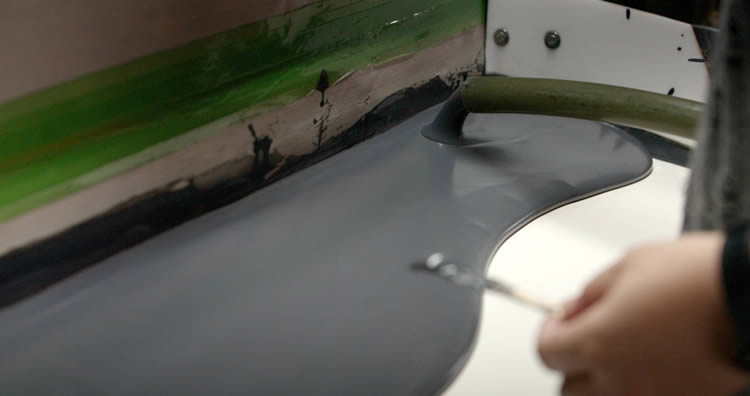
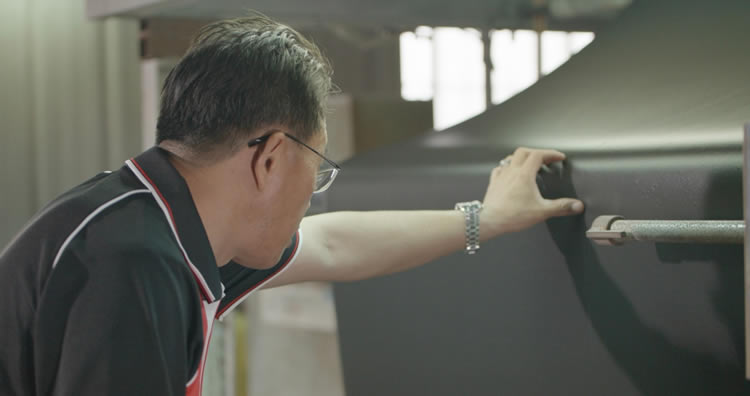
At GuangXin Industrial, our core strength lies in our deep expertise and versatility in insole and pillow manufacturing. We specialize in working with a wide range of materials, including PU (polyurethane), natural latex, and advanced graphene composites, to develop insoles and pillows that meet diverse performance, comfort, and health-support needs.
Whether it's cushioning, support, breathability, or antibacterial function, we tailor material selection to the exact requirements of each project-whether for foot wellness or ergonomic sleep products.
We provide end-to-end manufacturing capabilities under one roof—covering every stage from material sourcing and foaming, to precision molding, lamination, cutting, sewing, and strict quality control. This full-process control not only ensures product consistency and durability, but also allows for faster lead times and better customization flexibility.
With our flexible production capacity, we accommodate both small batch custom orders and high-volume mass production with equal efficiency. Whether you're a startup launching your first insole or pillow line, or a global brand scaling up to meet market demand, GuangXin is equipped to deliver reliable OEM/ODM solutions that grow with your business.
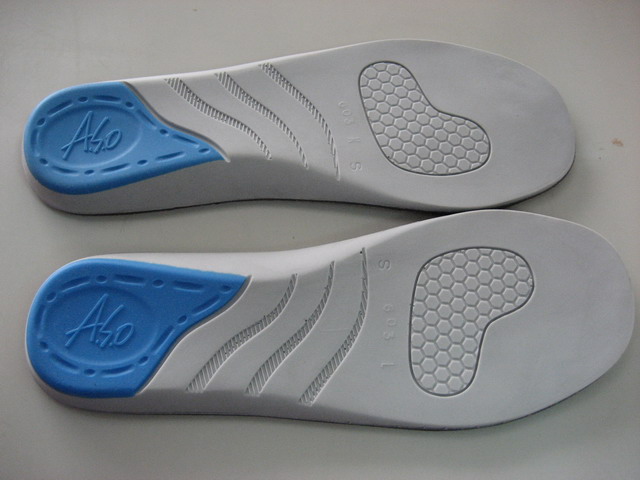
Customization & OEM/ODM Flexibility
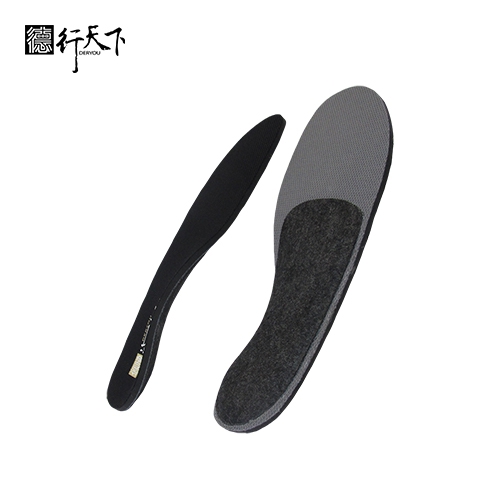
GuangXin offers exceptional flexibility in customization and OEM/ODM services, empowering our partners to create insole products that truly align with their brand identity and target market. We develop insoles tailored to specific foot shapes, end-user needs, and regional market preferences, ensuring optimal fit and functionality.
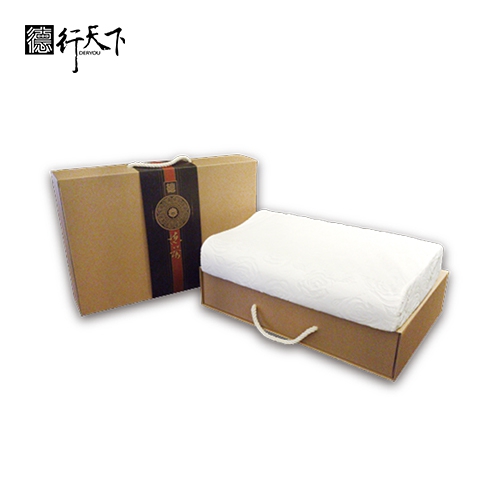
Our team supports comprehensive branding solutions, including logo printing, custom packaging, and product integration support for marketing campaigns. Whether you're launching a new product line or upgrading an existing one, we help your vision come to life with attention to detail and consistent brand presentation.
With fast prototyping services and efficient lead times, GuangXin helps reduce your time-to-market and respond quickly to evolving trends or seasonal demands. From concept to final production, we offer agile support that keeps you ahead of the competition.
Quality Assurance & Certifications
Quality is at the heart of everything we do. GuangXin implements a rigorous quality control system at every stage of production—ensuring that each insole meets the highest standards of consistency, comfort, and durability.
We provide a variety of in-house and third-party testing options, including antibacterial performance, odor control, durability testing, and eco-safety verification, to meet the specific needs of our clients and markets.
Our products are fully compliant with international safety and environmental standards, such as REACH, RoHS, and other applicable export regulations. This ensures seamless entry into global markets while supporting your ESG and product safety commitments.
ESG-Oriented Sustainable Production
At GuangXin Industrial, we are committed to integrating ESG (Environmental, Social, and Governance) values into every step of our manufacturing process. We actively pursue eco-conscious practices by utilizing eco-friendly materials and adopting low-carbon production methods to reduce environmental impact.
To support circular economy goals, we offer recycled and upcycled material options, including innovative applications such as recycled glass and repurposed LCD panel glass. These materials are processed using advanced techniques to retain performance while reducing waste—contributing to a more sustainable supply chain.
We also work closely with our partners to support their ESG compliance and sustainability reporting needs, providing documentation, traceability, and material data upon request. Whether you're aiming to meet corporate sustainability targets or align with global green regulations, GuangXin is your trusted manufacturing ally in building a better, greener future.
Let’s Build Your Next Insole Success Together
Looking for a reliable insole manufacturing partner that understands customization, quality, and flexibility? GuangXin Industrial Co., Ltd. specializes in high-performance insole production, offering tailored solutions for brands across the globe. Whether you're launching a new insole collection or expanding your existing product line, we provide OEM/ODM services built around your unique design and performance goals.
From small-batch custom orders to full-scale mass production, our flexible insole manufacturing capabilities adapt to your business needs. With expertise in PU, latex, and graphene insole materials, we turn ideas into functional, comfortable, and market-ready insoles that deliver value.
Contact us today to discuss your next insole project. Let GuangXin help you create custom insoles that stand out, perform better, and reflect your brand’s commitment to comfort, quality, and sustainability.
🔗 Learn more or get in touch:
🌐 Website: https://www.deryou-tw.com/
📧 Email: shela.a9119@msa.hinet.net
📘 Facebook: facebook.com/deryou.tw
📷 Instagram: instagram.com/deryou.tw
Custom graphene foam processing Taiwan
Are you looking for a trusted and experienced manufacturing partner that can bring your comfort-focused product ideas to life? GuangXin Industrial Co., Ltd. is your ideal OEM/ODM supplier, specializing in insole production, pillow manufacturing, and advanced graphene product design.
With decades of experience in insole OEM/ODM, we provide full-service manufacturing—from PU and latex to cutting-edge graphene-infused insoles—customized to meet your performance, support, and breathability requirements. Our production process is vertically integrated, covering everything from material sourcing and foaming to molding, cutting, and strict quality control.Vietnam athletic insole OEM supplier
Beyond insoles, GuangXin also offers pillow OEM/ODM services with a focus on ergonomic comfort and functional innovation. Whether you need memory foam, latex, or smart material integration for neck and sleep support, we deliver tailor-made solutions that reflect your brand’s values.
We are especially proud to lead the way in ESG-driven insole development. Through the use of recycled materials—such as repurposed LCD glass—and low-carbon production processes, we help our partners meet sustainability goals without compromising product quality. Our ESG insole solutions are designed not only for comfort but also for compliance with global environmental standards.Vietnam graphene material ODM solution
At GuangXin, we don’t just manufacture products—we create long-term value for your brand. Whether you're developing your first product line or scaling up globally, our flexible production capabilities and collaborative approach will help you go further, faster.Graphene insole OEM factory Taiwan
📩 Contact us today to learn how our insole OEM, pillow ODM, and graphene product design services can elevate your product offering—while aligning with the sustainability expectations of modern consumers.Customized sports insole ODM factory Taiwan
New findings on the Great Barrier Reef show varied heat tolerance in corals, suggesting potential for genetic conservation. This research could help develop more resilient coral populations through targeted breeding and restoration initiatives. Southern Cross University’s research revealed significant variations in heat tolerance among corals on the Great Barrier Reef, a discovery that could improve restoration and adaptation efforts. By studying over 500 coral colonies, scientists identified genetic and environmental factors influencing these variations, with implications for future coral resilience and conservation strategies. Previously undocumented variation in coral heat tolerance on Australia’s Great Barrier Reef has been discovered by researchers from Southern Cross University. Their findings give hope that corals’ own genetic resources may hold the key for us to help in their recovery and adaptation. In a study to be published today (September 23, 2024) in the journal Communications Earth and Environment, researchers measured the bleaching thresholds of more than 500 colonies of the table coral, Acropora hyacinthus, using a portable experimental system that was used at sea at 17 reefs spanning the Great Barrier Reef. The study was led by Southern Cross University PhD candidate Melissa Naugle, with a team from Southern Cross University, the Australian Institute of Marine Science (AIMS), the University of Queensland, and the Research Institute for Development in New Caledonia as part of the Reef Restoration and Adaptation Program (RRAP). Various degrees of bleaching in corals next to each other at Lizard Island on Great Barrier Reef. Credit Melissa Naugle Genetic Resources for Coral Protection “We found heat-tolerant corals at almost all the reefs that we studied, highlighting how corals across the entire Great Barrier Reef may hold genetic resources that are important for protection and restoration,” said Melissa. “This is important news for corals, which are experiencing the 4th global mass bleaching event and unprecedented summer sea temperatures on the Great Barrier Reef. Naturally occurring heat tolerance variation is crucial for corals to adapt to climate warming and for the success of restoration initiatives.” These findings were substantiated in another recent study by co-author and fellow Southern Cross University PhD candidate Hugo Denis, who also found widespread variation in heat tolerance in a different coral species. Experimental system used to test bleaching thresholds of over 500 coral colonies while at sea. Credit AIMS Joanna Hurford Implications for Coral Reef Futures The results of this work have important implications for coral reef futures. “Differences between individual corals is the fuel for natural selection to produce future generations of more tolerant corals,” said Dr. Line Bay, co-author and Senior Principal Research Scientist and Research Program Director at AIMS. “Developing a solid understanding of this variation is crucial to understanding how corals will adapt to climate warming.” Targeted Conservation Efforts Dr. Cedric Robillot, Executive Director of the Reef Restoration and Adaptation Program, said: “This work highlights the availability of naturally heat-tolerant corals that can be targeted by RRAP, as a large-scale reef restoration and conservation effort, to protect this critical ecosystem from warming ocean temperatures that are already locked in from climate change.” Dr. Emily Howells, co-author and Senior Research Fellow at Southern Cross University and Project Lead in the Reef Restoration and Adaptation Program, said: “Heat tolerance variation can be useful for restoration programs such as selective breeding, which may accelerate adaptation to produce offspring better suited to warmer waters. Though, this outcome depends on how much of the heat tolerance variation we observe is tied to heritable gene variants.” Selective Breeding and Restoration Programs The most heat-tolerant corals identified in this study are currently being used for a selective breeding trial through the Reef Restoration and Adaptation Program. The study reported not only the extent of the variation in coral heat tolerance, but also investigated the sources underlying that variation. “In this paper, we explored many of the environmental influences that shape heat tolerance, like thermal history, nutrient concentrations, and the symbiotic algae that live inside coral tissue,” said Melissa. Future Research and Implications While the study found that environmental factors like sea temperatures were important in influencing heat tolerance, there was substantial heat tolerance variation that could not be explained by the environment and is likely due to genetic differences among individual corals. “Next, we’ll analyze DNA-sequencing data from these individuals to identify gene variants associated with heat tolerance. This can help us understand the adaptation potential of natural coral populations and inform selective breeding work,” Melissa said. “While restoration initiatives like selective breeding may strengthen coral populations, reducing greenhouse gas emissions is most crucial to give coral reefs the best future possible.” Reference: “Heat tolerance varies considerably within a reef-building coral species on the Great Barrier Reef” by Melissa S. Naugle, Hugo Denis, Véronique J. L. Mocellin, Patrick W. Laffy, Iva Popovic, Line K. Bay and Emily J. Howells, 23 September 2024, Communications Earth & Environment. DOI: 10.1038/s43247-024-01649-4
A collaborative study has uncovered that astrocytes, through autophagy, can effectively clear amyloid-beta proteins in Alzheimer’s disease, presenting a novel therapeutic target that departs from traditional neuron-focused approaches, with significant potential for future Alzheimer’s treatments. New research shows astrocytes can remove Alzheimer’s-related amyloid-beta via autophagy, offering a promising new direction for treatment strategies focusing on these brain cells. An international research team has identified a new mechanism involving astrocytes for treating Alzheimer’s disease (AD) and proposed a novel therapeutic target. In their study, the researchers revealed that the autophagy pathway in astrocytes (non-neuronal cells in the brain) removes amyloid-beta (Aβ) oligomers, the toxic proteins found in the brains of AD patients, and recovers memory and cognitive functions. The research, led by Dr. Hoon Ryu from the Korea Institute of Science and Technology (KIST, President Sang-Rok Oh) Brain Disease Research Group, in collaboration with Director Justin C. Lee of the Institute for Basic Science (IBS, President Do-Young Noh) and Professor Junghee Lee from Boston University Chobanian & Avedisian School of Medicine, was published in the journal Molecular Neurodegeneration. The mechanism of astrocytic autophagy plasticity plays a crucial role in AD. When the autophagy-regulating genes (LC3B and SQSTM1) in astrocytes are activated, Aβ is efficiently removed, which is important for cognitive recovery. Credit: Korea Institute of Science and Technology Astrocytes’ Role in Neurodegeneration AD, a representative form of senile dementia, occurs when toxic proteins like Aβ, abnormally aggregate and accumulate in the brain, leading to inflammation and damage to neurons, causing neurodegenerative disorders. Although the scientific community has long focused on the role of astrocytes in removing toxic proteins around neurons, the exact mechanism remains unclear. (A) Increased expression of autophagy factors (LC3B, observed as blue dots) in astrocytes (GFAP) in the brain tissues of AD patients. (B) Increases in reactive astrocytes and autophagy gene expression in the brain tissues of AD patients. (C) Correlation between increased reactive astrocytes and autophagy gene expression was confirmed in the brain tissues of AD patients. Credit: Korea Institute of Science and Technology Discoveries in Astrocytic Autophagy Autophagy is a process by which cells break down and recycle their own components to maintain homeostasis. The research team scrutinized the autophagy process in astrocytes and discovered that when toxic protein buildup or inflammation occurs in the brains of AD patients, astrocytes respond by inducing genes that regulate autophagy. By delivering these autophagy-associated genes specifically into astrocytes in AD mouse models, the researchers observed the recovery of damaged neurons. Inhibition of autophagy, specifically in astrocytes, prevents the removal of Aβ via autophagic vesicles, which could worsen dementia pathology. Credit: Korea Institute of Science and Technology Potential Therapeutic Implications This study demonstrated that astrocytic autophagy reduces Aβ aggregates (protein clumps) and improves memory and cognitive functions. Notably, when autophagy-associated genes were expressed in astrocytes of the hippocampus, a brain region responsible for memory, the neuropathological symptoms were decreased. Most significantly, this study showed that the autophagy plasticity of astrocytes is involved in eliminating Aβ oligomers, a major cause of AD pathology, thus presenting a new potential therapeutic avenue for treating AD. Future Directions and Impacts This research is particularly meaningful as it shifts away from the traditional neuron-centered approach in AD drug development, instead identifying astrocytes (non-neuronal cells) as a novel target for therapy. The research team plans to further explore drug developments that can enhance the autophagic function of astrocytes to prevent or alleviate dementia symptoms and to conduct preclinical studies in the near future. Dr. Ryu and Dr. Suhyun Kim (the first author) commented, “Our findings show that astrocytic autophagy restores neuronal damage and cognitive functions in the dementia brain. We hope this study will advance our understanding of cellular mechanisms related to autophagy and contribute to future research on waste removal by astrocytes and health maintenance of the brain.” Reference: “Astrocytic autophagy plasticity modulates Aβ clearance and cognitive function in Alzheimer’s disease” by Suhyun Kim, Heejung Chun, Yunha Kim, Yeyun Kim, Uiyeol Park, Jiyeon Chu, Mridula Bhalla, Seung-Hye Choi, Ali Yousefian-Jazi, Sojung Kim, Seung Jae Hyeon, Seungchan Kim, Yeonseo Kim, Yeon Ha Ju, Seung Eun Lee, Hyunbeom Lee, Kyungeun Lee, Soo-Jin Oh, Eun Mi Hwang, Junghee Lee, C. Justin Lee and Hoon Ryu, 23 July 2024, Molecular Neurodegeneration. DOI: 10.1186/s13024-024-00740-w This research was supported by the Ministry of Science and ICT (Minister Sang Im Yoo), under KIST’s Major Projects and the Mid-career Researcher Support Program (2022R1A2C3013138), and the Ministry of Health and Welfare (Minister Gyu-Hong Cho), under the Dementia Overcoming Program (RS-2023-KH137130).
Regions of the protein’s flexibility: not very flexible (blue), moderately flexible (green/yellow) and highly flexible (red). However, both the central alpha helix and the N-terminus (start of the protein) display stable folding in comparison with the rest of the protein. Credit: Adam Damry International team of researchers investigates how evolution forms the structure and function of a newly emerged protein in flies. Proteins are the key component in all modern forms of life. Haemoglobin, for example, transports the oxygen in our blood; photosynthesis proteins in the leaves of plants convert sunlight into energy; and fungal enzymes help us brew beer and bake bread. Researchers have long been examining the question of how proteins mutate or come into existence in the course of millennia. That completely new proteins – and, with them, new properties – can emerge practically out of nothing, was inconceivable for decades, in line with what the Greek philosopher Parmenides said: “Nothing can emerge from nothing” (ex nihilo nihil fit). Working with colleagues from the USA and Australia, researchers from the University of Münster have now reconstructed how evolution forms the structure and function of a newly emerged protein in flies. This protein is essential for male fertility. The results have been published in the journal Nature Communications. Background It had been assumed up to now that new proteins emerge from already existing proteins – by a duplication of the underlying genes and by a series of small mutations in one or both gene copies. In the past ten years, however, a new understanding of protein evolution has come about: proteins can also develop from so-called non-coding DNA (deoxyribonucleic acid) – in other words, from that part of the genetic material which does not normally produce proteins – and can subsequently develop into functional cell components. This is surprising for several reasons: for many years, it had been assumed that, in order to be functional, proteins had to take on a highly developed geometrical form (a “3D structure”). It had further been assumed that such a form could not develop from a gene emerging at random, but would require a complex combination of amino-acids enabling this protein to exist in its functional form. Fruit flies (shown here mating) served as the study model. Credit: Mareike Kopping Despite decades of trying, researchers worldwide have not yet succeeded in constructing proteins with the desired 3D structures and functions, which means that the “code” for the formation of a functioning protein is essentially unknown. While this task remains a puzzle for scientists, nature has proven to be more adept at the formation of new proteins. A team of researchers headed by Prof. Erich Bornberg-Bauer, from the Institute of Evolution and Biodiversity at the University of Münster, discovered, by comparing the newly analyzed genomes in numerous organisms, that species not only differ through duplicated protein-coding genes adapted in the course of evolution. In addition, proteins are constantly being formed de novo (“anew”) – i.e. without any related precursor protein going through a selection process. The vast majority of these de novo proteins are useless, or even slightly deleterious, as they can interfere with existing proteins in the cell. Such new proteins are quickly lost again after several generations, as organisms carrying the new gene encoding the protein have impaired survival or reproduction. However, a select few de novo proteins prove to have beneficial functions. These proteins integrate into the molecular components of cells and eventually, after millions of years of minor modifications, become indispensable. There are some important questions which many researchers wonder about in this context: How do such novel proteins look like upon birth? How do they change, and which functions do they assume as the “new kids on the block?” Spearheaded by Prof. Bornberg-Bauer’s group in Münster, an international team of researchers has answered this question in much detail for “Goddard,” a fruit fly protein that is essential for male fertility. Methodology The research proceeded on three related fronts across three continents. At the College of the Holy Cross in Massachusetts, USA, Dr. Prajal Patel and Prof. Geoff Findlay used CRISPR/Cas9 genome editing to show that male flies that do not produce Goddard are sterile, but otherwise healthy. Meanwhile, Dr. Andreas Lange and PhD student Brennen Heames of Prof. Bornberg-Bauer’s group used biochemical techniques to predict the shape of the novel protein in present-day flies. They then used evolutionary methods to reconstruct the likely structure of Goddard ~50 million years ago when the protein first arose. What they found was quite a surprise: “The ancestral Goddard protein looked already very much like the ones which exist in fly species today,” Erich Bornberg-Bauer explains. “Right from the beginning, Goddard contained some structural elements, so-called alpha-helices, which are believed to be essential for most proteins.” To confirm these findings, the scene shifted to the Australian National University in Canberra, where Dr. Adam Damry and Prof. Colin Jackson used intensive, computational simulations to verify the predicted shape of the Goddard protein. They validated the structural analysis of Dr. Lange and showed that Goddard, in spite of its young age, is already quite stable – though not quite as stable as most fly proteins that are believed to have existed for longer, perhaps hundreds of millions of years. The results match up with several other current studies, which have shown that the genomic elements from which protein-coding genes emerge are activated frequently – tens of thousands of times in each individual. These fragments are then “sorted” through the process of evolutionary selection. The ones which are useless or harmful – the vast majority – are quickly discarded. But those which are neutral, or are slightly beneficial, can be optimized over millions of years and changed into something useful. Reference: “Structural and functional characterization of a putative de novo gene in Drosophila” by Andreas Lange, Prajal H. Patel, Brennen Heames, Adam M. Damry, Thorsten Saenger, Colin J. Jackson, Geoffrey D. Findlay and Erich Bornberg-Bauer, 12 March 2021, Nature Communications. DOI: 10.1038/s41467-021-21667-6 Funding: The research undertaken received funding from the European Grant EsCat within the Horizon 2020 Research and Innovation Framework Programme No. 722610 (Münster), from the ARC Centres of Excellence in Peptide and Protein Science and Synthetic Biology (Australia), and from an NSF CAREER Grant #1652013 (USA).
DVDV1551RTWW78V
Ergonomic insole ODM support Thailand 》recommended by industry experts for sustainability and performancePillow ODM design company in Indonesia 》combining comfort, performance, and brand-level supportTaiwan graphene material ODM factory 》the preferred OEM/ODM solution for emerging and established brands

請先 登入 以發表留言。