Introduction – Company Background
GuangXin Industrial Co., Ltd. is a specialized manufacturer dedicated to the development and production of high-quality insoles.
With a strong foundation in material science and footwear ergonomics, we serve as a trusted partner for global brands seeking reliable insole solutions that combine comfort, functionality, and design.
With years of experience in insole production and OEM/ODM services, GuangXin has successfully supported a wide range of clients across various industries—including sportswear, health & wellness, orthopedic care, and daily footwear.
From initial prototyping to mass production, we provide comprehensive support tailored to each client’s market and application needs.
At GuangXin, we are committed to quality, innovation, and sustainable development. Every insole we produce reflects our dedication to precision craftsmanship, forward-thinking design, and ESG-driven practices.
By integrating eco-friendly materials, clean production processes, and responsible sourcing, we help our partners meet both market demand and environmental goals.

Core Strengths in Insole Manufacturing
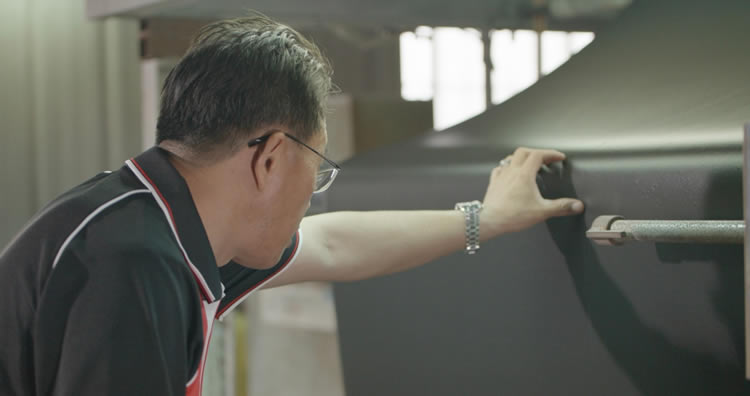
At GuangXin Industrial, our core strength lies in our deep expertise and versatility in insole and pillow manufacturing. We specialize in working with a wide range of materials, including PU (polyurethane), natural latex, and advanced graphene composites, to develop insoles and pillows that meet diverse performance, comfort, and health-support needs.
Whether it's cushioning, support, breathability, or antibacterial function, we tailor material selection to the exact requirements of each project-whether for foot wellness or ergonomic sleep products.
We provide end-to-end manufacturing capabilities under one roof—covering every stage from material sourcing and foaming, to precision molding, lamination, cutting, sewing, and strict quality control. This full-process control not only ensures product consistency and durability, but also allows for faster lead times and better customization flexibility.
With our flexible production capacity, we accommodate both small batch custom orders and high-volume mass production with equal efficiency. Whether you're a startup launching your first insole or pillow line, or a global brand scaling up to meet market demand, GuangXin is equipped to deliver reliable OEM/ODM solutions that grow with your business.
Customization & OEM/ODM Flexibility
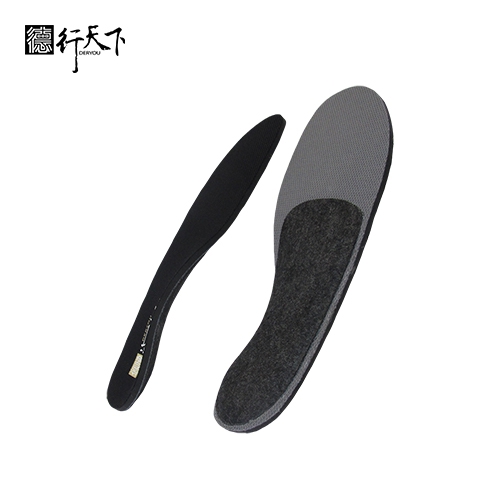
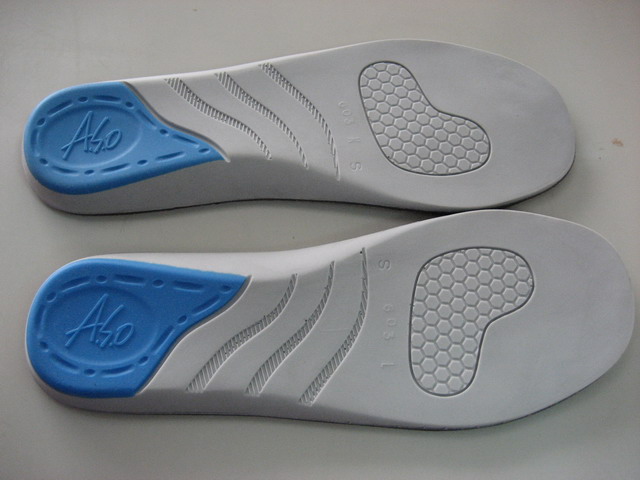
GuangXin offers exceptional flexibility in customization and OEM/ODM services, empowering our partners to create insole products that truly align with their brand identity and target market. We develop insoles tailored to specific foot shapes, end-user needs, and regional market preferences, ensuring optimal fit and functionality.
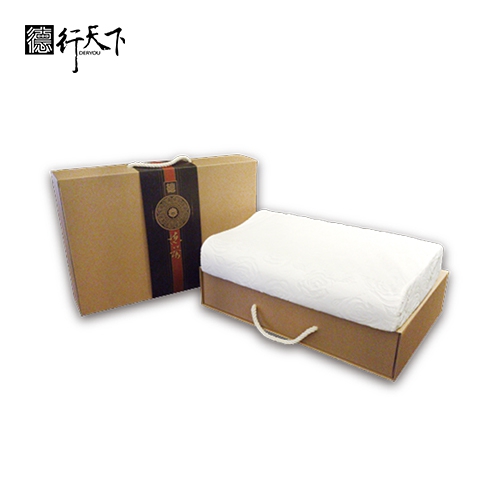
Our team supports comprehensive branding solutions, including logo printing, custom packaging, and product integration support for marketing campaigns. Whether you're launching a new product line or upgrading an existing one, we help your vision come to life with attention to detail and consistent brand presentation.
With fast prototyping services and efficient lead times, GuangXin helps reduce your time-to-market and respond quickly to evolving trends or seasonal demands. From concept to final production, we offer agile support that keeps you ahead of the competition.
Quality Assurance & Certifications
Quality is at the heart of everything we do. GuangXin implements a rigorous quality control system at every stage of production—ensuring that each insole meets the highest standards of consistency, comfort, and durability.
We provide a variety of in-house and third-party testing options, including antibacterial performance, odor control, durability testing, and eco-safety verification, to meet the specific needs of our clients and markets.
Our products are fully compliant with international safety and environmental standards, such as REACH, RoHS, and other applicable export regulations. This ensures seamless entry into global markets while supporting your ESG and product safety commitments.
ESG-Oriented Sustainable Production
At GuangXin Industrial, we are committed to integrating ESG (Environmental, Social, and Governance) values into every step of our manufacturing process. We actively pursue eco-conscious practices by utilizing eco-friendly materials and adopting low-carbon production methods to reduce environmental impact.
To support circular economy goals, we offer recycled and upcycled material options, including innovative applications such as recycled glass and repurposed LCD panel glass. These materials are processed using advanced techniques to retain performance while reducing waste—contributing to a more sustainable supply chain.
We also work closely with our partners to support their ESG compliance and sustainability reporting needs, providing documentation, traceability, and material data upon request. Whether you're aiming to meet corporate sustainability targets or align with global green regulations, GuangXin is your trusted manufacturing ally in building a better, greener future.
Let’s Build Your Next Insole Success Together
Looking for a reliable insole manufacturing partner that understands customization, quality, and flexibility? GuangXin Industrial Co., Ltd. specializes in high-performance insole production, offering tailored solutions for brands across the globe. Whether you're launching a new insole collection or expanding your existing product line, we provide OEM/ODM services built around your unique design and performance goals.
From small-batch custom orders to full-scale mass production, our flexible insole manufacturing capabilities adapt to your business needs. With expertise in PU, latex, and graphene insole materials, we turn ideas into functional, comfortable, and market-ready insoles that deliver value.
Contact us today to discuss your next insole project. Let GuangXin help you create custom insoles that stand out, perform better, and reflect your brand’s commitment to comfort, quality, and sustainability.
🔗 Learn more or get in touch:
🌐 Website: https://www.deryou-tw.com/
📧 Email: shela.a9119@msa.hinet.net
📘 Facebook: facebook.com/deryou.tw
📷 Instagram: instagram.com/deryou.tw
Insole ODM factory in Vietnam
Are you looking for a trusted and experienced manufacturing partner that can bring your comfort-focused product ideas to life? GuangXin Industrial Co., Ltd. is your ideal OEM/ODM supplier, specializing in insole production, pillow manufacturing, and advanced graphene product design.
With decades of experience in insole OEM/ODM, we provide full-service manufacturing—from PU and latex to cutting-edge graphene-infused insoles—customized to meet your performance, support, and breathability requirements. Our production process is vertically integrated, covering everything from material sourcing and foaming to molding, cutting, and strict quality control.Pillow OEM for wellness brands Vietnam
Beyond insoles, GuangXin also offers pillow OEM/ODM services with a focus on ergonomic comfort and functional innovation. Whether you need memory foam, latex, or smart material integration for neck and sleep support, we deliver tailor-made solutions that reflect your brand’s values.
We are especially proud to lead the way in ESG-driven insole development. Through the use of recycled materials—such as repurposed LCD glass—and low-carbon production processes, we help our partners meet sustainability goals without compromising product quality. Our ESG insole solutions are designed not only for comfort but also for compliance with global environmental standards.China anti-odor insole OEM service
At GuangXin, we don’t just manufacture products—we create long-term value for your brand. Whether you're developing your first product line or scaling up globally, our flexible production capabilities and collaborative approach will help you go further, faster.One-stop OEM/ODM solution provider China
📩 Contact us today to learn how our insole OEM, pillow ODM, and graphene product design services can elevate your product offering—while aligning with the sustainability expectations of modern consumers.Arch support insole OEM from Vietnam
A breakthrough in cellular agriculture, enabling bovine cells to produce their own growth factors, promises significant cost reductions in cultivated meat production. This advancement could lead to affordable, sustainable meat alternatives in supermarkets, with ongoing research focusing on optimization for commercial use and regulatory approval. Bovine muscle cells have been engineered to generate their own growth signals, eliminating the need for expensive components in the production process. Cellular agriculture – the production of meat from cells grown in bioreactors rather than harvested from farm animals – is taking leaps in technology that are making it a more viable option for the food industry. One such leap has now been made at the Tufts University Center for Cellular Agriculture (TUCCA), led by David Kaplan, Stern Family Professor of Engineering, in which researchers have created bovine (beef) muscle cells that produce their own growth factors, a step that can significantly cut costs of production. Growth factors, whether used in laboratory experiments or for cultivated meat, bind to receptors on the cell surface and provide a signal for cells to grow and differentiate into mature cells of different types. In this study published in the journal Cell Reports Sustainability, researchers modified stem cells to produce their own fibroblast growth factor (FGF) which triggers the growth of skeletal muscle cells – the kind one finds in a steak or hamburger. “FGF is not exactly a nutrient,” said Andrew Stout, then lead researcher on the project and now Director of Science at Tufts Cellular Agriculture Commercialization Lab. “It’s more like an instruction for the cells to behave in a certain way. What we did was engineer bovine muscle stem cells to produce these growth factors and turn on the signaling pathways themselves.” Cost Reduction and Research Progress Until now, growth factors had to be added to the surrounding liquid, or media. Made from recombinant protein and sold by industrial suppliers, growth factors contribute to a majority of the cost of production for cultivated meat (up to or above 90%). Since the growth factors don’t last long in the cell culture media, they also have to be replenished every few days. This limits the ability to provide an affordable product to consumers. Taking that ingredient out of the growth media leads to an enormous cost savings. Bovine muscle cells grown for meat make their own growth factors, removing an expensive ingredient from the liquid growth media. Credit: Alonso Nichols, Tufts University Stout is leading several research projects at Tufts University Cellular Agriculture Commercialization Lab —a technology incubator space that is set up to take innovations at the university and develop them to the point at which they can be applied at an industrial scale in a commercial setting. “While we significantly cut the cost of media, there is still some optimization that needs to be done to make it industry-ready,” said Stout. “We did see slower growth with the engineered cells, but I think we can overcome that.” Strategies may include changing the level and timing of expression of FGF in the cell or altering other cell growth pathways. “In this strategy, we’re not adding foreign genes to the cell, just editing and expressing genes that are already there” to see if they can improve the growth of the muscle cells for meat production. That approach could also lead to simpler regulatory approval of the ultimate food product, since regulation is more stringent for the addition of foreign genes vs editing of native genes. Future Directions and Implications Will the strategy work for other types of meat, like chicken, pork, or fish? Stout thinks so. “All muscle cells and many other cell types typically rely on FGF to grow,” said Stout. He envisions the approach will be applied to other meats, although there may be variability for the best growth factors to express in different species. “Work is continuing at TUCCA and elsewhere to improve cultivated meat technology,” said Kaplan, “including exploring ways to reduce the cost of nutrients in the growth media, and improving the texture, taste, and nutritional content of the meat. Products have already been awarded regulatory approval for consumption in the U.S. and globally, although costs and availability remain limiting. I think advances like this will bring us much closer to seeing affordable cultivated meat in our local supermarkets within the next few years.” Reference: “Engineered autocrine signaling eliminates muscle cell FGF2 requirements for cultured meat production” by Andrew J. Stout, Xiaoli Zhang, Sophia M. Letcher, Miriam L. Rittenberg, Michelle Shub, Kristin M. Chai, Maya Kaul and David L. Kaplan, 26 January 2024, Cell Reports Sustainability. DOI: 10.1016/j.crsus.2023.100009 The study was funded by the National Institutes of Health, the U.S. Department of Agriculture, and the New Harvest Foundation.
Study in mice finds high-fat, high-sugar diet has long-lasting effects on the microbiome. Credit: UCR Effects of Unhealthy Food Followed Young Mice Into Adulthood Eating too much fat and sugar as a child can alter your microbiome for life, even if you later learn to eat healthier, a new study in mice suggests. The study by UC Riverside researchers is one of the first to show a significant decrease in the total number and diversity of gut bacteria in mature mice fed an unhealthy diet as juveniles. “We studied mice, but the effect we observed is equivalent to kids having a Western diet, high in fat and sugar and their gut microbiome still being affected up to six years after puberty,” explained UCR evolutionary physiologist Theodore Garland. A paper describing the study has recently been published in the Journal of Experimental Biology. The microbiome refers to all the bacteria as well as fungi, parasites, and viruses that live on and inside a human or animal. Most of these microorganisms are found in the intestines, and most of them are helpful, stimulating the immune system, breaking down food and helping synthesize key vitamins. In a healthy body, there is a balance of pathogenic and beneficial organisms. However, if the balance is disturbed, either through the use of antibiotics, illness, or unhealthy diet, the body could become susceptible to disease. In this study, Garland’s team looked for impacts on the microbiome after dividing their mice into four groups: half fed the standard, ‘healthy’ diet, half fed the less healthy ‘Western’ diet, half with access to a running wheel for exercise, and half without. After three weeks spent on these diets, all mice were returned to a standard diet and no exercise, which is normally how mice are kept in a laboratory. At the 14-week mark, the team examined the diversity and abundance of bacteria in the animals. Key Bacteria Reduced by Unhealthy Diet They found that the quantity of bacteria such as Muribaculum intestinale was significantly reduced in the Western diet group. This type of bacteria is involved in carbohydrate metabolism. Analysis also showed that the gut bacteria are sensitive to the amount of exercise the mice got. Muribaculum bacteria increased in mice fed a standard diet who had access to a running wheel and decreased in mice on a high-fat diet whether they had exercise or not. Researchers believe this species of bacteria, and the family of bacteria that it belongs to, might influence the amount of energy available to its host. Research continues into other functions that this type of bacteria may have. One other effect of note was the increase in a highly similar bacteria species that were enriched after five weeks of treadmill training in a study by other researchers, suggesting that exercise alone may increase its presence. Lasting Impact of Early Diet vs. Exercise Overall, the UCR researchers found that early-life Western diet had more long-lasting effects on the microbiome than did early-life exercise. Garland’s team would like to repeat this experiment and take samples at additional points in time, to better understand when the changes in mouse microbiomes first appear, and whether they extend into even later phases of life. Regardless of when the effects first appear, however, the researchers say it’s significant that they were observed so long after changing the diet, and then changing it back. The takeaway, Garland said, is essentially, “You are not only what you eat, but what you ate as a child!” Reference: “Early-life effects of juvenile Western diet and exercise on adult gut microbiome composition in mice” by Monica P. McNamara, Jennifer M. Singleton, Marcell D. Cadney, Paul M. Ruegger, James Borneman and Theodore Garland, Jr., 11 January 2021, Journal of Experimental Biology. DOI: 10.1242/jeb.239699
A single memory is stored across many connected brain regions, according to an innovative brain-wide mapping study. Innovative brain-wide mapping study shows that “engrams,” the ensembles of neurons encoding a memory, are widely distributed, including among regions not previously realized. A new study from MIT’s Picower Institute for Learning and Memory provides the most extensive and rigorous evidence yet that the mammalian brain retains a single memory across a broadly distributed, functionally integrated complex spanning many brain regions, rather than in just one or a few spots. Memory research pioneer Richard Semon had predicted such a “unified engram complex” more than a century ago, but achieving the new study’s confirmation of his hypothesis required the application of multiple newly developed technologies. The researchers found and ranked dozens of previously unknown memory-related areas in the study, demonstrating that memory recall becomes more behaviorally powerful when multiple memory-storing regions are reactivated rather than just one. “When talking about memory storage we all usually talk about the hippocampus or the cortex,” said co-lead and co-corresponding author Dheeraj Roy. He began the research while a graduate student in the RIKEN-MIT Laboratory for Neural Circuit Genetics at The Picower Institute led by senior author Susumu Tonegawa, Picower Professor in the Departments of Biology and Brain and Cognitive Sciences. “This study reflects the most comprehensive description of memory encoding cells, or memory ‘engrams,’ distributed across the brain, not just in the well-known memory regions. It basically provides the first rank-ordered list for high-probability engram regions. This list should lead to many future studies, which we are excited about, both in our labs and by other groups.” In addition to Dheeraj Roy, who is now a McGovern Fellow in the Broad Institute of MIT and Harvard and the lab of MIT neuroscience Professor Guoping Feng, the study’s other lead authors are Young-Gyun Park, Minyoung Kim, Ying Zhang, and Sachie Ogawa. Mapping Memory The team was able to map regions participating in an engram complex by conducting an unbiased analysis of more than 247 brain regions in mice who were taken from their home cage to another cage where they felt a small but memorable electrical zap. In one group of mice their neurons were engineered to become fluorescent when they expressed a gene required for memory encoding. In another group, cells activated by naturally recalling the zap memory (e.g. when the mice returned to the scene of the zap) were fluorescently labeled instead. Cells that were activated by memory encoding or by recall could therefore readily be seen under a microscope after the brains were preserved and optically cleared using a technology called SHIELD, developed by co-corresponding author Kwanghun Chung, Associate Professor in The Picower Institute, the Institute for Medical Engineering & Science and the Department of Chemical Engineering. By using a computer to count fluorescing cells in each sample, the team produced brain-wide maps of regions with apparently significant memory encoding or recall activity. Many brain regions found likely to be involved in encoding a memory (top) were also found to be involved in recall upon reactivation (bottom). Credit: Tonegawa Lab/MIT Picower Institute The maps highlighted many regions expected to participate in memory but also many that were not. To help factor out regions that might have been activated by activity unrelated to the zap memory, the team compared what they saw in zap-encoding or zap-recalling mice to what they saw in the brains of controls who were simply left in their home cage. This allowed them to calculate an “engram index” to rank order 117 brain regions with a significant likelihood of being involved in the memory engram complex. They deepened the analysis by engineering new mice in which neurons involved in both memory encoding and in recall could be doubly labeled, thereby revealing which cells exhibited overlap of those activities. To really be an engram cell, the authors noted, a neuron should be activated both in encoding and recall. “These experiments not only revealed significant engram reactivation in known hippocampal and amygdala regions, but also showed reactivation in many thalamic, cortical, midbrain and brainstem structures,” the authors wrote. “Importantly when we compared the brain regions identified by the engram index analysis with these reactivated regions, we observed that ~60 percent of the regions were consistent between analyses.” Memory manipulations Having ranked regions significantly likely to be involved in the engram complex, the team engaged in several manipulations to directly test their predictions and to determine how engram complex regions might work together. For instance, they engineered mice such that cells activated by memory encoding would also become controllable with flashes of light (a technique called “optogenetics”). The researchers then applied light flashes to select brain regions from their engram index list to see if stimulating those would artificially reproduce the fear memory behavior of freezing in place, even when mice were placed in a “neutral” cage where the zap had not occurred. “Strikingly, all these brain regions induced robust memory recall when they were optogenetically stimulated,” the researchers observed. Moreover, stimulating areas that their analysis suggested were insignificant to zap memory indeed produced no freezing behavior. The team then demonstrated how different regions within an engram complex connect. They chose two well-known memory regions, CA1 of the hippocampus and the basolateral amygdala (BLA), and optogenetically activated engram cells there to induce memory recall behavior in a neutral cage. They found that stimulating those regions produced memory recall activity in specific “downstream” areas identified as being probable members of the engram complex. Meanwhile, optogenetically inhibiting natural zap memory recall in CA1 or the BLA (i.e. when mice were placed back in the cage where they experienced the zap) led to reduced activity in downstream engram complex areas compared to what they measured in mice with unhindered natural recall. Further experiments showed that optogenetic reactivations of engram complex neurons followed similar patterns as those observed in natural memory recall. So having established that natural memory encoding and recall appears to occur across a wide engram complex, the team decided to test whether reactivating multiple regions would improve memory recall compared to reactivating just one. After all, prior experiments have shown that activating just one engram area does not produce recall as vividly as natural recall. This time the team used a chemical means to stimulate different engram complex regions and when they did, they found that indeed stimulating up to three involved regions simultaneously produced more robust freezing behavior than stimulating just one or two. Meaning of distributed storage Roy said that by storing a single memory across such a widespread complex the brain might be making memory more efficient and resilient. “Different memory engrams may allow us to recreate memories more efficiently when we are trying to remember a previous event (and similarly for the initial encoding where different engrams may contribute different information from the original experience),” he said. “Secondly, in disease states, if a few regions are impaired, distributed memories would allow us to remember previous events and in some ways be more robust against regional damages.” In the long term that second idea might suggest a clinical strategy for dealing with memory impairment: “If some memory impairments are because of hippocampal or cortical dysfunction, could we target understudied engram cells in other regions, and could such a manipulation restore some memory functions?” That’s just one of many new questions researchers can ask now that the study has revealed a listing of where to look for at least one kind of memory in the mammalian brain. Reference: “Brain-wide mapping reveals that engrams for a single memory are distributed across multiple brain regions” by Dheeraj S. Roy, Young-Gyun Park, Minyoung E. Kim, Ying Zhang, Sachie K. Ogawa, Nicholas DiNapoli, Xinyi Gu, Jae H. Cho, Heejin Choi, Lee Kamentsky, Jared Martin, Olivia Mosto, Tomomi Aida, Kwanghun Chung and Susumu Tonegawa, 4 April 2022, Nature Communications. DOI: 10.1038/s41467-022-29384-4 The paper’s other authors are Nicholas DiNapoli, Xinyi Gu, Jae Cho, Heejin Choi, Lee Kamentsky, Jared Martin, Olivia Mosto, and Tomomi Aida. Funding sources included the JPB Foundation, the RIKEN Center for Brain Science, the Howard Hughes Medical Institute, a Warren Alpert Distinguished Scholar Award, the National Institutes of Health, the Burroughs Wellcome Fund, the Searle Scholars Program, a Packard Award in Science and Engineering, a NARSAD Young Investigator Award, the McKnight Foundation Technology Award, the NCSOFT Cultural Foundation, and the Institute for Basic Science.
DVDV1551RTWW78V
Eco-friendly pillow OEM manufacturer Thailand 》your trusted source for functional product developmentVietnam OEM insole and pillow supplier 》helping your brand lead with innovation and integrityThailand pillow ODM development service 》where innovation meets ergonomic comfort and market demand

請先 登入 以發表留言。