Introduction – Company Background
GuangXin Industrial Co., Ltd. is a specialized manufacturer dedicated to the development and production of high-quality insoles.
With a strong foundation in material science and footwear ergonomics, we serve as a trusted partner for global brands seeking reliable insole solutions that combine comfort, functionality, and design.
With years of experience in insole production and OEM/ODM services, GuangXin has successfully supported a wide range of clients across various industries—including sportswear, health & wellness, orthopedic care, and daily footwear.
From initial prototyping to mass production, we provide comprehensive support tailored to each client’s market and application needs.
At GuangXin, we are committed to quality, innovation, and sustainable development. Every insole we produce reflects our dedication to precision craftsmanship, forward-thinking design, and ESG-driven practices.
By integrating eco-friendly materials, clean production processes, and responsible sourcing, we help our partners meet both market demand and environmental goals.
Core Strengths in Insole Manufacturing
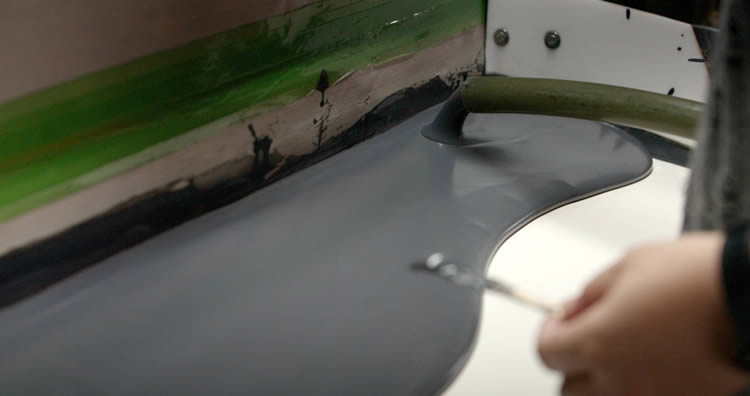
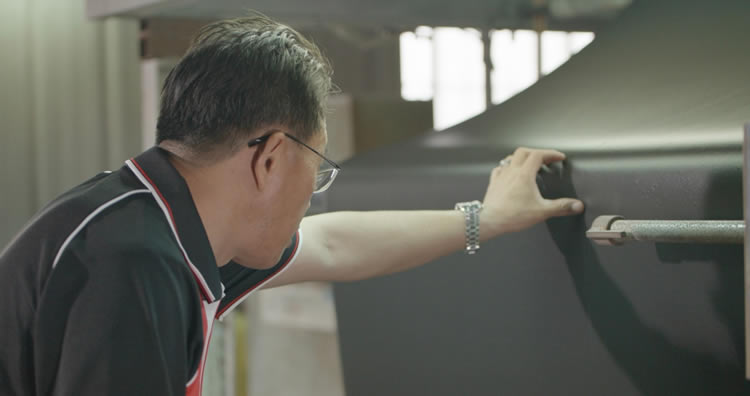
At GuangXin Industrial, our core strength lies in our deep expertise and versatility in insole and pillow manufacturing. We specialize in working with a wide range of materials, including PU (polyurethane), natural latex, and advanced graphene composites, to develop insoles and pillows that meet diverse performance, comfort, and health-support needs.
Whether it's cushioning, support, breathability, or antibacterial function, we tailor material selection to the exact requirements of each project-whether for foot wellness or ergonomic sleep products.
We provide end-to-end manufacturing capabilities under one roof—covering every stage from material sourcing and foaming, to precision molding, lamination, cutting, sewing, and strict quality control. This full-process control not only ensures product consistency and durability, but also allows for faster lead times and better customization flexibility.
With our flexible production capacity, we accommodate both small batch custom orders and high-volume mass production with equal efficiency. Whether you're a startup launching your first insole or pillow line, or a global brand scaling up to meet market demand, GuangXin is equipped to deliver reliable OEM/ODM solutions that grow with your business.
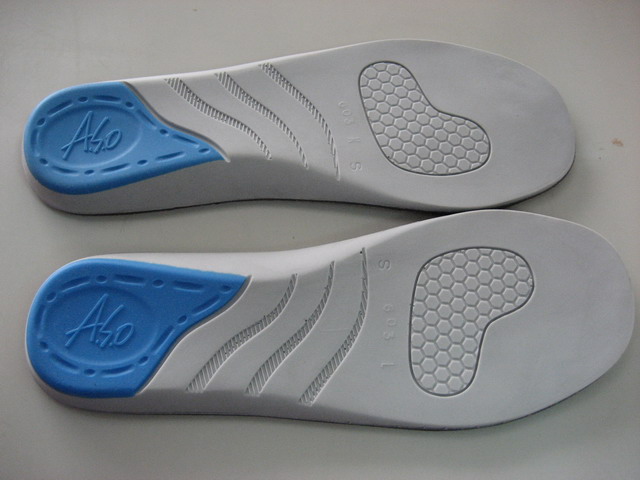
Customization & OEM/ODM Flexibility
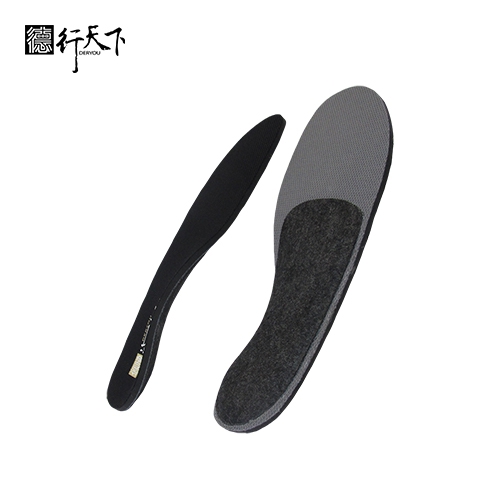
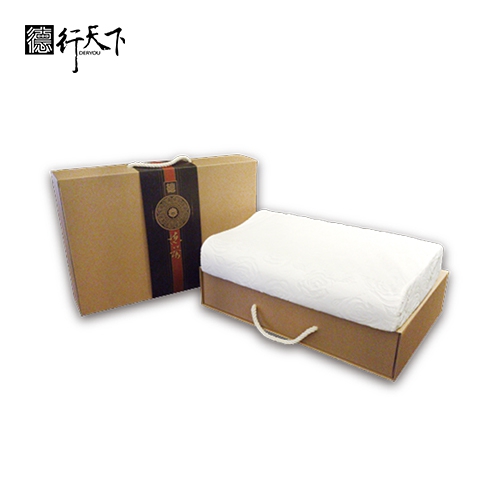
GuangXin offers exceptional flexibility in customization and OEM/ODM services, empowering our partners to create insole products that truly align with their brand identity and target market. We develop insoles tailored to specific foot shapes, end-user needs, and regional market preferences, ensuring optimal fit and functionality.
Our team supports comprehensive branding solutions, including logo printing, custom packaging, and product integration support for marketing campaigns. Whether you're launching a new product line or upgrading an existing one, we help your vision come to life with attention to detail and consistent brand presentation.
With fast prototyping services and efficient lead times, GuangXin helps reduce your time-to-market and respond quickly to evolving trends or seasonal demands. From concept to final production, we offer agile support that keeps you ahead of the competition.
Quality Assurance & Certifications
Quality is at the heart of everything we do. GuangXin implements a rigorous quality control system at every stage of production—ensuring that each insole meets the highest standards of consistency, comfort, and durability.
We provide a variety of in-house and third-party testing options, including antibacterial performance, odor control, durability testing, and eco-safety verification, to meet the specific needs of our clients and markets.
Our products are fully compliant with international safety and environmental standards, such as REACH, RoHS, and other applicable export regulations. This ensures seamless entry into global markets while supporting your ESG and product safety commitments.
ESG-Oriented Sustainable Production
At GuangXin Industrial, we are committed to integrating ESG (Environmental, Social, and Governance) values into every step of our manufacturing process. We actively pursue eco-conscious practices by utilizing eco-friendly materials and adopting low-carbon production methods to reduce environmental impact.
To support circular economy goals, we offer recycled and upcycled material options, including innovative applications such as recycled glass and repurposed LCD panel glass. These materials are processed using advanced techniques to retain performance while reducing waste—contributing to a more sustainable supply chain.
We also work closely with our partners to support their ESG compliance and sustainability reporting needs, providing documentation, traceability, and material data upon request. Whether you're aiming to meet corporate sustainability targets or align with global green regulations, GuangXin is your trusted manufacturing ally in building a better, greener future.
Let’s Build Your Next Insole Success Together
Looking for a reliable insole manufacturing partner that understands customization, quality, and flexibility? GuangXin Industrial Co., Ltd. specializes in high-performance insole production, offering tailored solutions for brands across the globe. Whether you're launching a new insole collection or expanding your existing product line, we provide OEM/ODM services built around your unique design and performance goals.
From small-batch custom orders to full-scale mass production, our flexible insole manufacturing capabilities adapt to your business needs. With expertise in PU, latex, and graphene insole materials, we turn ideas into functional, comfortable, and market-ready insoles that deliver value.
Contact us today to discuss your next insole project. Let GuangXin help you create custom insoles that stand out, perform better, and reflect your brand’s commitment to comfort, quality, and sustainability.
🔗 Learn more or get in touch:
🌐 Website: https://www.deryou-tw.com/
📧 Email: shela.a9119@msa.hinet.net
📘 Facebook: facebook.com/deryou.tw
📷 Instagram: instagram.com/deryou.tw
Taiwan graphene material ODM solution
Are you looking for a trusted and experienced manufacturing partner that can bring your comfort-focused product ideas to life? GuangXin Industrial Co., Ltd. is your ideal OEM/ODM supplier, specializing in insole production, pillow manufacturing, and advanced graphene product design.
With decades of experience in insole OEM/ODM, we provide full-service manufacturing—from PU and latex to cutting-edge graphene-infused insoles—customized to meet your performance, support, and breathability requirements. Our production process is vertically integrated, covering everything from material sourcing and foaming to molding, cutting, and strict quality control.ODM pillow factory in Indonesia
Beyond insoles, GuangXin also offers pillow OEM/ODM services with a focus on ergonomic comfort and functional innovation. Whether you need memory foam, latex, or smart material integration for neck and sleep support, we deliver tailor-made solutions that reflect your brand’s values.
We are especially proud to lead the way in ESG-driven insole development. Through the use of recycled materials—such as repurposed LCD glass—and low-carbon production processes, we help our partners meet sustainability goals without compromising product quality. Our ESG insole solutions are designed not only for comfort but also for compliance with global environmental standards.Breathable insole ODM development Thailand
At GuangXin, we don’t just manufacture products—we create long-term value for your brand. Whether you're developing your first product line or scaling up globally, our flexible production capabilities and collaborative approach will help you go further, faster.Cushion insole OEM solution China
📩 Contact us today to learn how our insole OEM, pillow ODM, and graphene product design services can elevate your product offering—while aligning with the sustainability expectations of modern consumers.Taiwan insole ODM service provider
Researchers at the University of Hawai‘i at Mānoa discovered that the virus FloV-SA2 encodes a ribosomal protein, eL40, essential for the production of ribosomes, which translate genetic information into proteins. This marks the first time a eukaryotic virus has been found to possess such a capability, shedding new light on the complexity of virus-host interactions. Credit: SciTechDaily.com A virus that infects ocean phytoplankton was found to encode a ribosomal protein, a first for eukaryotic viruses. Researchers believe this aids the virus in replication. Researchers at the University of Hawai‘i at Mānoa have identified a virus, FloV-SA2, that encodes one of the essential proteins needed for ribosome production. Ribosomes are critical cellular structures that convert genetic information into proteins—the fundamental building blocks of life. This marks the first discovery of a eukaryotic virus (a virus that infects organisms such as plants, animals, or fungi) capable of encoding such a protein. Viruses are essentially packets of genetic material encased in a protein shell. They reproduce by invading a host cell and commandeering its replication machinery to produce more viruses. While simpler viruses rely almost entirely on the host cell for this process, larger and more complex viruses often produce a variety of proteins to assist in their replication. In cells, ribosomes (shown as grey blobs) read RNA messages and convert the information into proteins. The researchers hypothesize that during infection, one component of the ribosome, eL40 (green oval) that is normally provided by the algal cell is replaced by a similar protein produced by the virus (red oval), and this changes the specificity of the ribosome so that it preferentially reads messages produced by the virus. Credit: Thomy/ UH Mānoa “We were excited to discover that this virus encodes a ribosomal protein called eL40,” said Julie Thomy, lead author of the study and postdoctoral researcher in the Daniel K. Inouye Center for Microbial Oceanography: Research and Education (C-MORE) and Department of Oceanography in the UH Mānoa School of Ocean and Earth Science and Technology (SOEST). “It makes sense that a virus could benefit from altering this critical piece of cell machinery, but there was just no evidence for it in any eukaryotic virus.” The virus was discovered as part of a larger effort by members of the Marine Viral Ecology Laboratories (MarVEL) in SOEST to isolate and characterize new viruses that live in the ocean. A former Oceanography graduate student, Christopher Schvarcz, sampled water from Station ALOHA 60 miles north of O’ahu, Hawai‘i, and subsequently isolated dozens of viruses. Among them was FloV-SA2, which infects a species of phytoplankton called Florenciella. Transmission electron micrograph of negatively stained FloV-SA2 virus particles. Scale bar: 100 nm. Credit: Thomy/ UH Mānoa “Chris was so productive at isolating viruses, he could not analyze them all before he left,” said Grieg Steward, Oceanography faculty member overseeing the project. “Detailed analysis of this virus had to wait until Dr. Thomy joined the lab, but it was worth the wait!” Preferential production of virus proteins? Previous discoveries have shown that, like FloV-SA2, other so-called ‘giant’ viruses code for proteins involved in a wide range of metabolic processes. Some, such as those involved in fermentation or sensing light, seem like surprising functions to find in a virus. These genes must help the virus replicate, but, as is the case with the ribosomal protein, it is not always clear how. The researchers are now focused on figuring out the details of how and when this protein is used by the virus. CTD water sampler prepared for deployment. Credit: Kelsey Maloney “Our working hypothesis is that by inserting one of its own proteins into the ribosome, the virus alters this key piece of machinery to favor the production of virus proteins, over the usual cell proteins,” said Thomy. “Viruses are integral to the functioning of ocean ecosystems, influencing biological productivity, shifting community interactions, and driving evolutionary change,” said Steward. “This discovery reveals new details about the complex ways viruses in the ocean interact with phytoplankton, which are the foundation of ocean ecosystems, but it also opens new avenues in our understanding of the fundamentals of viral biology.” The scientists expect that FloV-SA2 will be a valuable model system for investigating new mechanisms by which viruses manipulate cell metabolism and redirect host resources and energy. Reference: “Eukaryotic viruses encode the ribosomal protein eL40” by Julie Thomy, Christopher R. Schvarcz, Kelsey A. McBeain, Kyle F. Edwards and Grieg F. Steward, 23 October 2024, npj Viruses. DOI: 10.1038/s44298-024-00060-2
Engineers have designed a strong, biocompatible glue that can seal injured tissues and stop bleeding, inspired by the sticky substance that barnacles use to cling to rocks. Credit: Stock Photo Mayo Clinic researchers and colleagues at Massachusetts Institute of Technology (MIT) have developed a rapid-sealing paste that can stop bleeding organs independent of clotting. The details are published in Nature Biomedical Engineering. The inspiration for this paste? Barnacles. Barnacles are those sea animals that adhere to rocks, the bottom of ships, and large fish with the aim of staying in place despite wet conditions and variable surfaces. They’re successful because they exude a type of oil matrix that cleans the surface and repels moisture. Then they follow up with a protein that cross-links them with the molecules of the surface. That two-step process is what happens when the sealing paste is applied to organs or tissues. Historically, surgeons would use a type of material that would speed up coagulation and form a clot to stop the bleeding. In the fastest cases, that would still take several minutes. In preclinical studies, this research team has shown the paste to stop bleeding in as little as 15 seconds, even before clotting has begun. “Our data show how the paste achieves rapid hemostasis in a coagulation-independent fashion. The resulting tissue seal can withstand even high arterial pressures,” says Christoph Nabzdyk, M.D., a Mayo Clinic cardiac anesthesiologist and critical care physician. “We think the paste may be useful in stemming severe bleeding, including in internal organs, and in patients with clotting disorders or on blood thinners. This might become useful for the care of military and civilian trauma victims.” Dr. Nabzdyk is co-senior lead author of the study. The paste consists of an injectable material that consists of a water-repelling oil matrix and bioadhesive microparticles. It’s the microparticles that link to each other and the surface of the tissue after the oil has provided a clean place to connect. The biomaterial slowly resorbs over a period of weeks. The research was supported by MIT’s Deshpande Center, National Institutes of Health, National Science Foundation, Army Research Office, The Zoll Foundation, and the Samsung Scholarship. The technology is protected by a shared patent between MIT and Mayo Clinic. For more on this research, see Bio-Inspired, Blood-Repelling Tissue Glue Can Seal Wounds Quickly and Stop Bleeding. Reference: “Rapid and coagulation-independent haemostatic sealing by a paste inspired by barnacle glue” by Hyunwoo Yuk, Jingjing Wu, Tiffany L. Sarrafian, Xinyu Mao, Claudia E. Varela, Ellen T. Roche, Leigh G. Griffiths, Christoph S. Nabzdyk and Xuanhe Zhao, 9 August 2021, Nature Biomedical Engineering. DOI: 10.1038/s41551-021-00769-y Co-authors are Hyunwoo Yuk, Ph.D.; Jingjing Wu, Ph.D.; Xinyu Mao, Ph.D.; Claudia Varela; Ellen Roche, Ph.D.; and Xuanhe Zhao, Ph.D., of MIT, and Tiffany Sarrafian Griffiths, D.V.M., Ph.D., and Leigh Griffiths, Ph.D., of Mayo Clinic.
This is an image of RPE implant embedded in the sub-retinal space of a non-human primate model. The background retinal vessels highlighted by fundus fluorescein angiography. Credit: Su, Xinyi Lab-grown eye cells restored vision function in monkeys, showing hope for blindness treatments. Retinal cells derived from adult human eye stem cells survived when transplanted into the eyes of monkeys, an important early step in the validation of this approach for treating blindness, according to a study by Liu, et al recently published in Stem Cell Reports. The retinal pigment epithelium (RPE), a layer of pigmented cells in the retina, is essential for sustaining normal vision. Blindness due to RPE dysfunction, such as macular degeneration, affects about 200 million people worldwide. To restore this population of cells, researchers extracted retinal stem cells from donated cadaver adult eyes, grew them into RPE cells and transplanted them into the eyes of monkeys. These unique cells have the potential to serve as an unlimited resource of human RPE, with the possibility of donor compatibility matching. The study is the first time the safety and feasibility of adult retinal stem cell-derived RPE transplants in non-human primates was assessed. Researchers found that RPE patches transplanted into the monkey’s eye stably integrated for at least three months with no serious side effects. What is more, the stem cell-derived RPE partially took over the function of the monkey RPE and was able to support normal photoreceptor function. Importantly, these cells did not cause retinal scarring. Altogether, this demonstrates the feasibility of using adult retinal stem cell-derived RPE transplants to replace defective RPE as a possible treatment for macular degeneration. However, further experiments need to be conducted. This includes evidence to demonstrate adult retinal stem cell-derived RPE can restore vision in diseased non-human primate models, and eventually in regulatory human clinical trials. Nonetheless, this proof-of-principle study is an important early step in validating this approach, which is part of as international collaboration between the Icahn School of Medicine at Mount Sinai (New York), Institute of Molecular Cell Biology (A*STAR), Singapore Eye Research, National University of Singapore, and Eye Clinic Sulzbach (Germany). Reference: “Surgical Transplantation of Human RPE Stem Cell-Derived RPE Monolayers into Non-Human Primates with Immunosuppression” by Zengping Liu, Bhav Harshad Parikh, Queenie Shu Woon Tan, Daniel Soo Lin Wong, Kok Haur Ong, Weimiao Yu, Ivan Seah, Graham E. Holder, Walter Hunziker, Gavin S.W. Tan, Veluchamy Amutha Barathi, Gopal Lingam, Boris V. Stanzel, Timothy A. Blenkinsop and Xinyi Su, 14 January 2021, Stem Cell Reports. DOI: 10.1016/j.stemcr.2020.12.007
DVDV1551RTWW78V
Pillow OEM factory for wellness brands 》the preferred OEM/ODM solution for emerging and established brandsChina OEM/ODM hybrid insole services 》reducing complexity, increasing product valueChina anti-bacterial pillow ODM design 》your reliable OEM/ODM partner for long-term collaboration

請先 登入 以發表留言。